
Cultural Heritage Reflected in My Cactus Journey
Updated: Apr 14
Cacti are more than just resilient plants that thrive in arid environments; they are symbols of cultural heritage, resilience, and adaptability. My journey with cacti has been a fascinating exploration of how these unique plants reflect the traditions, stories, and values of various cultures. From the deserts of Mexico to the arid landscapes of the American Southwest, cacti tell tales of survival, beauty, and connection to the earth. In this blog post, I will share my personal experiences with cacti, highlighting their cultural significance and the lessons they impart.

The Origins of Cacti in Cultural Heritage
Cacti have a rich history that intertwines with the cultural practices of indigenous peoples in the Americas. For thousands of years, these plants have been integral to the survival and identity of various communities.
The Significance of the Nopal Cactus
One of the most notable cacti is the nopal, or prickly pear cactus. This plant has been a staple in Mexican cuisine and culture for centuries. The nopal cactus is not only edible but also serves as a symbol of resilience. It thrives in harsh conditions, making it a metaphor for the strength of the Mexican people.
In traditional Mexican culture, the nopal is often used in dishes such as tacos and salads. Its pads are rich in nutrients and have been used for medicinal purposes, showcasing the deep connection between the plant and the people. The nopal also appears in art and folklore, representing the enduring spirit of the land and its inhabitants.
Cacti in Southwestern Native American Cultures
In the American Southwest, cacti hold significant cultural value for Native American tribes. The saguaro cactus, for example, is not only an iconic symbol of the desert but also plays a crucial role in the lives of the Tohono O'odham people.
The saguaro is harvested for its fruit, which is used to make traditional foods and beverages. The annual harvest is celebrated with festivals that honor the cactus and its contributions to the community. This practice reflects a deep respect for nature and the importance of sustainable living.
My Personal Cactus Journey
My journey with cacti began unexpectedly during a trip to Arizona. I was captivated by the towering saguaros and the intricate beauty of smaller varieties. This fascination led me to explore the cultural significance of these plants and their role in various traditions.
Discovering the Beauty of Cacti
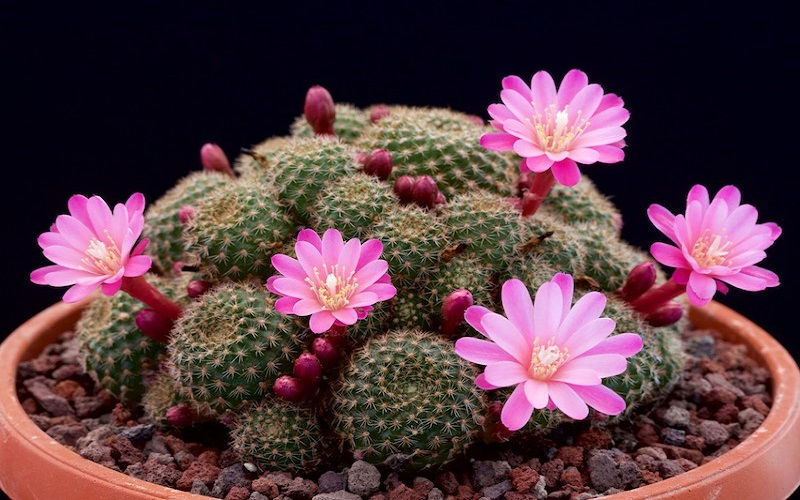
As I delved deeper into the world of cacti, I started collecting different species. Each cactus I acquired came with its own story, reflecting the culture from which it originated. For instance, I learned about the ferocactus, known for its vibrant flowers and spiky exterior. This cactus is often associated with Mexican folklore, symbolizing protection and strength.
I also discovered the barrel cactus, which is known for its ability to store water. This feature is particularly fascinating, as it represents the importance of resourcefulness in arid environments. Each time I care for my cacti, I am reminded of the lessons they teach about survival and adaptability.
Connecting with Nature and Culture
Caring for my cacti has become a meditative practice. As I tend to their needs, I reflect on the cultural heritage they embody. Each watering session is an opportunity to connect with the traditions and stories that have shaped the way people view these plants.
For example, I often think about the Tohono O'odham people's reverence for the saguaro. Their practices inspire me to adopt a more sustainable approach to gardening, emphasizing the importance of respecting nature and its resources.
The Role of Cacti in Modern Culture
In contemporary society, cacti have gained popularity not only as houseplants but also as symbols of resilience and strength. They are often featured in art, fashion, and home decor, reflecting a growing appreciation for their unique beauty.
Cacti in Art and Design
Artists and designers have embraced cacti as a motif, using their shapes and colors to create stunning works. From paintings to textiles, cacti are celebrated for their aesthetic appeal and cultural significance.
For instance, many artists incorporate cactus imagery into their work to symbolize endurance and the beauty of nature. This trend highlights the ongoing connection between cacti and cultural expression, bridging the gap between tradition and modernity.
Cacti as Symbols of Resilience
In a world that often feels chaotic, cacti serve as reminders of resilience. Their ability to thrive in harsh conditions resonates with many people facing challenges in their lives. This symbolism has led to a surge in popularity, with cacti becoming a staple in homes and offices.
People are drawn to cacti not only for their low maintenance but also for the messages they convey. They remind us that, like these plants, we can adapt and flourish even in difficult circumstances.
Lessons Learned from My Cactus Journey
Through my journey with cacti, I have learned valuable lessons that extend beyond gardening. These lessons are deeply rooted in the cultural heritage that surrounds these plants.
Embracing Resilience
Cacti teach us the importance of resilience. They thrive in environments that many other plants cannot endure. This quality serves as a powerful reminder that we, too, can overcome obstacles and adapt to our surroundings.
Celebrating Diversity
The variety of cacti species reflects the beauty of diversity. Each cactus has its own unique characteristics, just as every culture has its own traditions and stories. Embracing this diversity enriches our lives and fosters a greater understanding of the world around us.
Connecting with Nature
Caring for cacti has deepened my appreciation for nature. It has encouraged me to be more mindful of my environment and to recognize the interconnectedness of all living things. This connection is vital for fostering a sense of responsibility toward the planet.
Conclusion
My cactus journey has been a transformative experience, allowing me to explore the cultural heritage embedded in these remarkable plants. From the nopal cactus in Mexico to the saguaro in the American Southwest, each species carries stories of resilience, survival, and connection to the earth.
As I continue to nurture my cacti, I am reminded of the lessons they impart. They inspire me to embrace resilience, celebrate diversity, and connect with nature. I encourage you to explore the world of cacti and discover the rich cultural heritage they represent. Whether you choose to cultivate them in your home or simply appreciate their beauty in nature, let these remarkable plants inspire you on your own journey.

Comments